AI Leasing Assistant: Stop Losing Leads After Hours
An AI leasing assistant cuts response times by over 90% and handles multi-channel intake 24/7. Here is what the 2026 data says about leasing operations.
AUTHOR

Ralf Klein
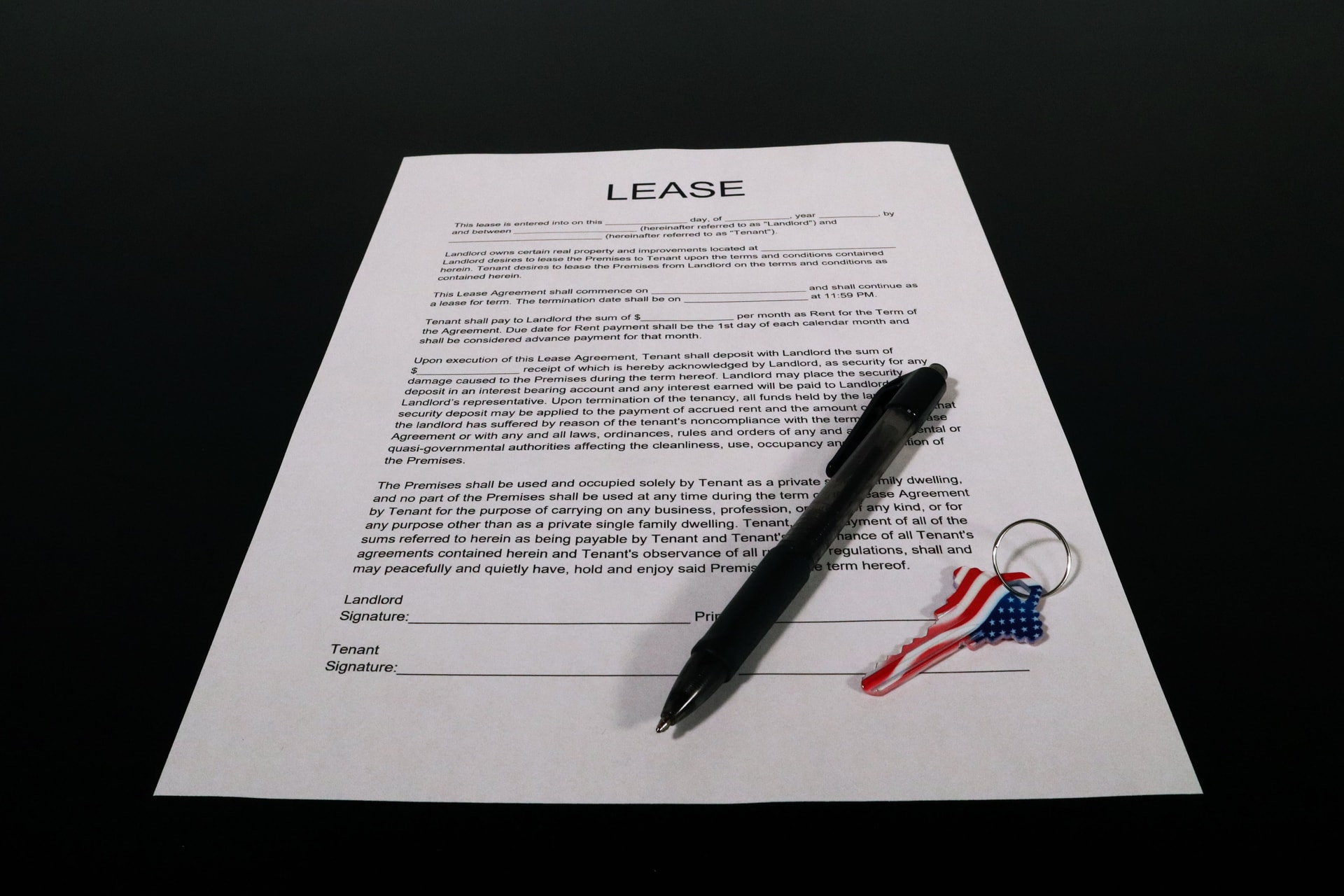
Home builders using agentic AI workflows improved lead response times by more than 90%, and their after-hours agents captured incremental sales from buyers engaging around the clock. That figure, published by McKinsey in March 2026, comes from the construction side of real estate, but the operational logic maps directly onto residential leasing. A prospect who submits an inquiry at 21:40 on a Tuesday is not waiting until Wednesday morning. They are moving to the next listing.
Leasing inquiries are their own ticket stream. They are not maintenance requests, not renewal conversations, not billing disputes. They arrive through WhatsApp, web forms, email, and increasingly through voice channels, and they carry a short conversion window. Property operations leaders who treat leasing intake as a secondary queue behind maintenance are structurally disadvantaged. The question is not whether to automate leasing intake. The question is how to build the intake system so that it qualifies the prospect, answers unit and pricing questions, books the tour, and writes the outcome into the property management system or CRM, without a human touching the routine cases at all.
What an AI Leasing Assistant Actually Does Across Channels
The term gets misused constantly. An AI leasing assistant is not a website chatbot that answers three FAQ questions and then says contact us for more information. That is a dead end dressed up as automation. A properly scoped leasing assistant is a multi-channel intake system. It receives inquiries from WhatsApp, email, web forms, and phone. It qualifies the prospect by asking about move-in date, budget, unit size, and household composition. It pulls live availability and pricing from the PMS. It answers questions about the unit, the building, and the lease terms. And when the prospect is ready, it books the tour by writing directly into the calendar and the CRM, not by sending a link and hoping the prospect completes the booking themselves.
The distinction between a chatbot and a workflow-integrated assistant is the difference between a conversation and an action. McKinsey reported in May 2026 that coordinating AI agents across an entire real-estate workflow can produce 10% to 30% improvements in outcomes including net operating income, operating costs, and cycle times. That range only materialises when the agents are connected to operational systems. A disconnected chat widget produces none of it. The intake, the qualification, the availability lookup, the tour booking, and the follow-up sequence all need to run as a single connected workflow, with human staff receiving only the exceptions: the prospect with an unusual situation, the unit with a pricing dispute, the inquiry that requires a legal answer.
This is also why leasing intake and maintenance intake, though both high-volume ticket streams, need separate handling logic. Maintenance tickets carry urgency flags, asset identifiers, and contractor routing rules. Leasing inquiries carry qualification criteria, availability constraints, and conversion timelines. Mixing the two into a single generic queue is how both streams get handled poorly. The same agentic architecture applies to both, but the routing rules, the data sources, and the escalation triggers are different.
The After-Hours Gap Is an Operations Problem, Not a Staffing Problem
Property teams often frame after-hours coverage as a staffing question. The real frame is an operations design question. If your leasing intake system requires a human to be present to move a prospect from inquiry to booked tour, then every hour outside business hours is a structural gap in your conversion funnel. Prospects do not adjust their inquiry behaviour to match your office hours. They inquire when they have time, which is frequently evenings and weekends.
Deloitte's 2026 commercial real estate outlook found that 19% of respondents still considered their organisations to be in the early stages of their AI journey. That figure matters because it means a meaningful share of property organisations are still running leasing intake on manual processes, which means they are structurally exposed every evening and every weekend. The organisations that have moved past experimentation and into operational deployment are not just saving staff time. They are capturing inquiries that their competitors are losing.
The McKinsey data on after-hours agents in home building is instructive here. The incremental sales captured after hours were not a rounding error. They were a direct result of having a system that could respond, qualify, and advance the prospect without waiting for a human. In leasing, the equivalent outcome is a booked tour that would otherwise have been a cold inquiry by morning. The prospect who gets a response and a tour confirmation at 22:00 is not the same prospect who gets a follow-up email at 09:30 the next day. The conversion probability is different, and the difference is structural, not a matter of individual agent performance.
Renewal Rates and the Broader Workflow Signal
The leasing funnel does not end at move-in. Renewal is the other end of the same operational system, and the data here is worth noting. McKinsey reported in 2026 that rental organisations improved renewal rates by 3% to 7% after implementing AI-powered workflows. Renewals are a different conversation from new leasing inquiries, but the underlying mechanism is the same: timely, accurate, personalised communication delivered through the right channel at the right moment, with the outcome written into the operational system.
A 3% to 7% improvement in renewal rates is not a marginal gain for a portfolio of any meaningful size. It is a direct impact on net operating income. And it comes from the same architectural decision that improves leasing intake: connecting the AI agent to the PMS and the CRM so that it can act, not just respond. The agent that handles a renewal inquiry needs to know the current lease end date, the renewal pricing, and the tenant's communication history. That information lives in the operational systems. An agent that cannot read from and write to those systems is not an operational agent. It is a sophisticated FAQ page.
McKinsey's July 2026 analysis of customer-facing AI deployments found that integrated performance reporting and feedback loops produced a 24% increase in first-contact resolution and a 30% productivity improvement among human agents. The first-contact resolution figure is the one that matters most for leasing. A prospect who gets a complete answer, a unit match, and a tour booking in a single interaction does not need a follow-up call. The human agent's time is preserved for the cases that genuinely require human judgment.
Building the Intake System: What Operations Leaders Need to Decide
The practical design question for a property operations leader is not which AI tool to buy. It is how to define the boundary between what the AI handles and what the human handles, and then how to connect the AI to the systems it needs to act on that boundary correctly.
Start with the ticket taxonomy. Leasing inquiries, maintenance requests, renewal conversations, and billing disputes are four distinct streams. Each has different data requirements, different urgency profiles, and different escalation triggers. An AI leasing assistant built on a clear taxonomy will outperform a generic assistant every time, because the routing logic is precise and the data sources are correctly scoped.
Then define the qualification criteria. What does a qualified leasing prospect look like for your portfolio? Move-in date within 60 days, budget within 10% of asking, household size matching available units. Those criteria can be encoded into the qualification flow. The AI asks the right questions in the right order, scores the prospect against the criteria, and either advances them to tour booking or routes them to a human for a conversation about alternatives.
Then connect the systems. The AI needs read access to availability and pricing in the PMS. It needs write access to the tour calendar and the CRM lead record. It needs a handoff protocol for exceptions. Without those connections, the assistant is a conversation tool, not an operational tool. The 10% to 30% outcome improvements McKinsey identified in 2026 come from the connections, not from the conversation quality alone.
Finally, measure first-contact resolution as the primary leasing intake metric, not response time alone. Response time matters, but a fast response that does not resolve the inquiry is not a conversion. The goal is a prospect who ends the first interaction with a confirmed tour on the calendar. That is the metric that connects leasing intake performance to actual revenue.
Property teams that design leasing intake as a workflow system, rather than a staffing problem or a chatbot deployment, are the ones that will close the after-hours gap, reduce the cost per qualified lead, and carry that operational discipline through to renewal. The data from 2026 is consistent on this point. The value is in the workflow, not the widget.
Want our articles in your Top Stories?
BLOG
Other insights
 InsightsSep 9, 2026Automated Ticketing System: Fix Triage FirstMost automated ticketing systems handle routing well but leave triage to humans. Learn why AI belongs on the judgment layer in maintenance queues.
 InsightsAug 27, 2026Facility Management AI Work Order Automation Cuts BacklogFacility management AI work order automation removes manual handoffs between intake and dispatch. Here is what the 2026 data says about where the hours go.
 InsightsAug 24, 2026EV Charging Reliability: Status Lights LieEV charging reliability data shows 99% uptime claims mask a 71% first-charge success rate. Here is what that gap means for operations leaders.