Insights
/
Cold Acquisition That Works in 2026
Cold calling in 2026 is no longer about volume but real connection. Learn how to combine email and LinkedIn to personalize outreach, build trust, and start meaningful B2B conversations that lead to results.
/
AUTHOR

Ralf Klein
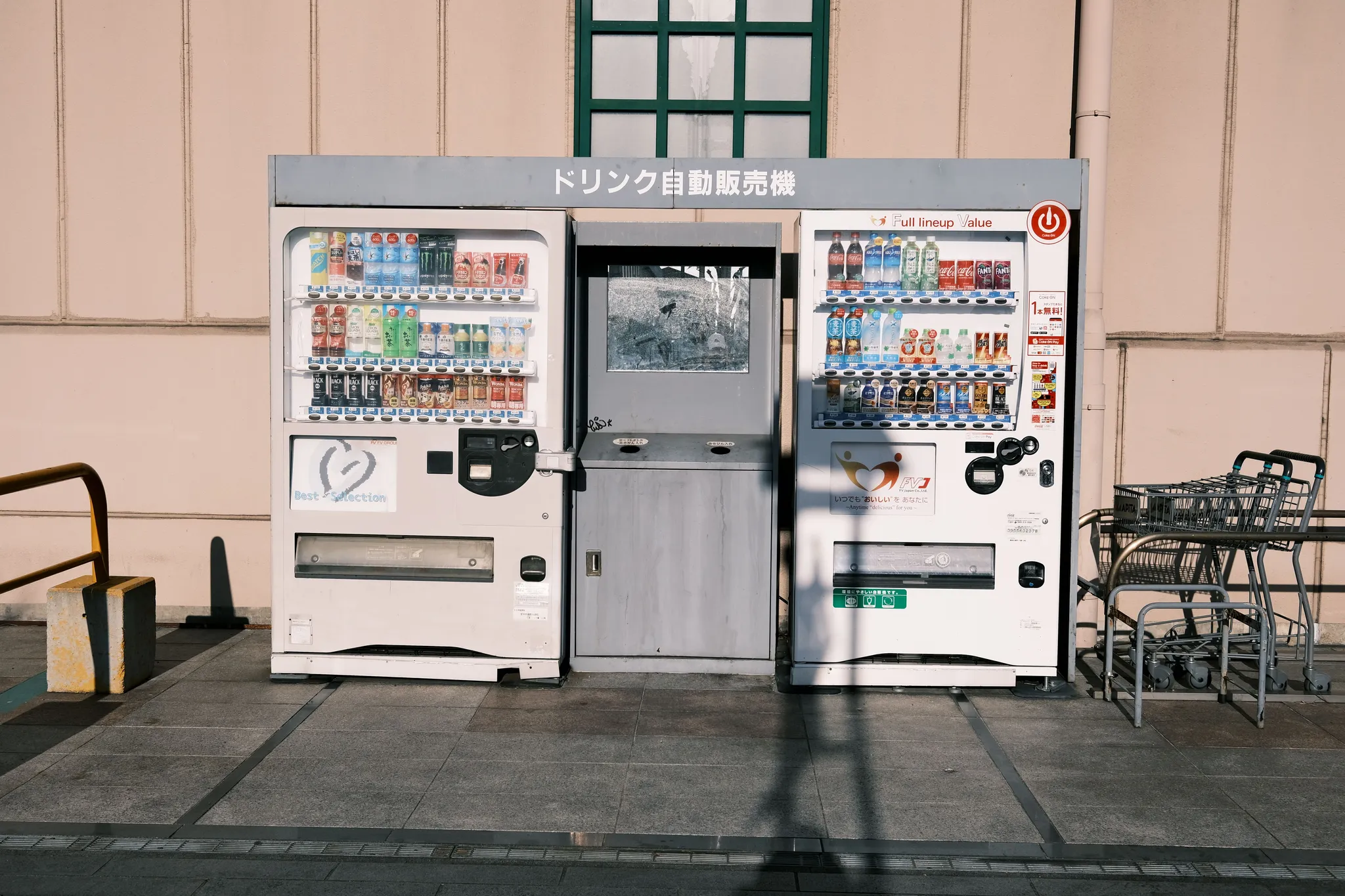
Berg Insight counts 8.1 million connected vending machines in operation worldwide in 2025, on track for nearly 11.7 million by 2030. Most of them can already report their own faults: a jammed bill validator, a refrigeration compressor drifting out of range, a motor error, a door left ajar. And yet a broken machine still sits dead for days, bleeding sales, until a person happens to glance at a dashboard or a customer complains. The prediction is solved. The dispatch is not.
That gap is the whole story of predictive maintenance in 2026. Sensors are cheap, connectivity is standard, and a 2025 study on predictive maintenance for smart vending machines shows machine learning can forecast component failures before they happen and cut redundant service trips. The bottleneck moved. It is no longer detecting the fault. It is turning the fault into a routed, parts-ready work order without a human retyping it into another system.
The cost of getting this wrong is not abstract. A vending machine only creates value while it can take a sale, so an idle machine is a direct revenue loss, and vending-equipment specialists point out that the damage compounds past the missed transactions. Customers who find a dead machine walk to a competitor's machine and learn to skip yours, and the site owner who gave you the floor space starts to question the placement. Downtime does not just cost the sale in front of it. It erodes the location.
Vending Machine Predictive Maintenance Stops Where the Work Order Should Start
The clearest framing comes from the distinction between predictive and prescriptive maintenance. Predictive maintenance answers "what is likely to happen?" It does not answer "what should be done?" As that analysis puts it, predictive insights "remain underutilized because organizations lack the tools or processes to translate them into decisions." A fault code that lands in a dashboard nobody is watching around the clock changes nothing.
The economics only appear when the fault becomes an action. Industry data on connected vending operations shows operators who wire IoT diagnostics into proactive service cut unnecessary dispatches by up to 45% and extend equipment life by about 2.3 years, while predictive maintenance trims total maintenance spend by between 18% and 25% versus a reactive break-fix model. None of that lands if the coded fault stops at a screen. A machine that reports a jam to a dashboard is as useful as a tenant who reports a leak to a voicemail box no one checks.
Build the Path From Fault Code to Dispatch
The pattern that holds up in production has five steps, and only the first is about the sensor. Get this sequence right and the vending case and the property case run on the same rails.
Ingest the coded fault. Pull the structured fault off the telemetry stream: bill-validator jam, refrigeration drift, motor error, door fault. This is the part the market has already solved, and it is the only step most vendors talk about.
Classify by severity and parts needed. A compressor drifting on a machine full of dairy is a same-day dispatch with a food-safety clock attached. A single sold-out coil is a restock note. The agent has to score urgency and name the likely part before anyone drives anywhere, the same triage layer that decides whether answering a ticket is the same as resolving it.
Dedupe against open tickets for the same asset. A flaky validator that fires the same fault every twenty minutes must not open thirty work orders. Key each fault on asset plus fault type plus a rolling time window, and collapse repeats into one parent ticket that every later signal attaches to.
Create the dispatch with the right part attached. Push the work order into the field-service system with the diagnosed part on it, so the technician arrives once with the compressor gasket instead of twice. Arriving with the right part the first time is where the downtime and the second-trip cost actually disappear.
Keep a human on the exceptions. An agent proposes the dispatch. A coordinator approves anything above a cost or travel threshold. Prescriptive maintenance in 2026 is human-in-the-loop, not full autonomy, and a truck rolling to a remote site is exactly the decision worth a human glance.
The Hard Part Is the Near-Duplicate That Is a Second Fault
Dedup sounds simple until you meet its two failure modes. The first is the noisy asset: one machine firing the same validator error all afternoon, which should collapse into a single ticket. The second is the trap: a validator jam and a refrigeration fault on the same machine within the same hour look like duplicates to a naive matcher, but they are two different repairs and two different parts.
Collapse the second case and a technician arrives for the jam, leaves, and the dairy spoils overnight. This is why the merge threshold has to sit high and why borderline matches go to a person instead of being silently merged or split. It is the same problem that shows up when nine tenants report one broken boiler across WhatsApp, email and a portal in the same morning. The asset changes from a boiler to a bill validator. The clustering logic does not, and neither does the cost of getting it wrong.
This Is the Property-Maintenance Playbook, Moved Outdoors
None of this is new to anyone who has automated a property portfolio. The loop is identical: a signal arrives, an agent classifies and dedupes it, it becomes a work order in the system of record, it gets scheduled against capacity with the right trade and parts, status flows back, and a human owns the edge cases. A vending fleet is just the maintenance queue in property management with the assets spread across a city instead of stacked in a building.
That is why the transfer works. The same intake-to-action loop that routes fault codes across a vending fleet runs unattended maintenance across a portfolio of buildings, and the hard engineering is shared: the classification, the dedupe, and the write path into the customer's own domain system. The differentiator was never the chatbot on the front. It is the operational AI agents that create the work order, not just the alert, and the deep integration that lets them act inside the tools an operator already runs. Answering is the easy tenth of the job. Resolving is the other ninety percent, and resolving means something changed in the system of record.
Audit the Last Mile, Not the Sensor
Before buying a smarter sensor or another dashboard, measure the last mile. When a machine flags a fault, how many minutes and how many human hands pass before a technician is dispatched with the correct part? If the honest answer is "someone notices, then keys it into another system," the sensor is not the constraint. The write path from fault code to work order is. The machine already knows it is broken.
Connectivity was never the hard part, and by 2030 nearly four in five vending machines will have it. The fault code is only worth something the moment it becomes a routed, deduped, parts-ready work order. Everything upstream of that is a machine announcing its own failure to a screen no one is watching.
/
BLOG
Other insights
Insights
/
Jul 7, 2026
Bloxs and AI: Why Tenant Communication Is the Biggest Untapped Win in Property Management

Insights
/
Apr 13, 2026
Anthropic Built an AI That Found 3,000 Zero-Day Vulnerabilities. Then They Refused to Release It.

Insights
/
Apr 10, 2026