Insights
/
Cold Acquisition That Works in 2026
Cold calling in 2026 is no longer about volume but real connection. Learn how to combine email and LinkedIn to personalize outreach, build trust, and start meaningful B2B conversations that lead to results.
/
AUTHOR

Ralf Klein
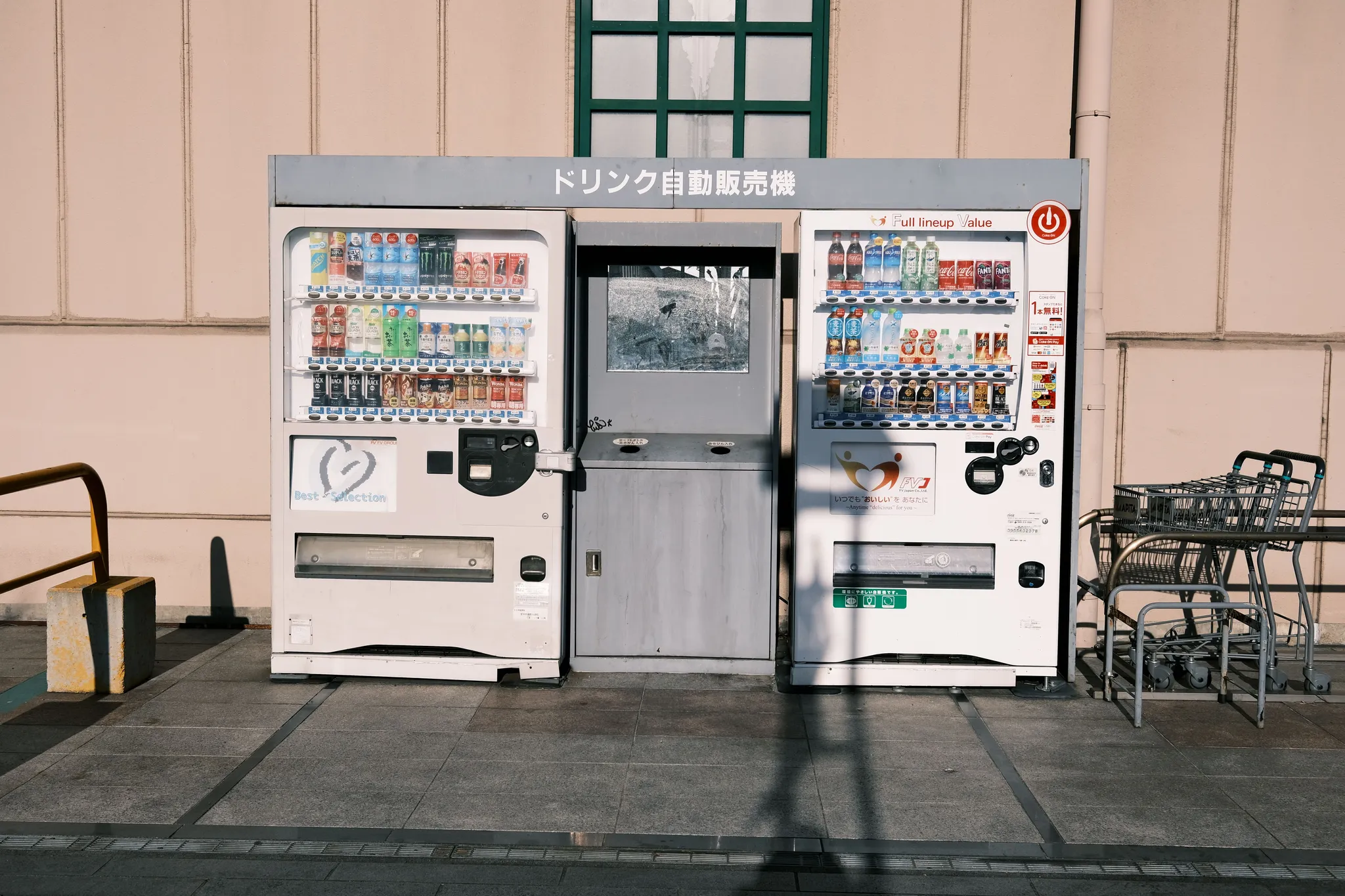
A vending machine with a bill-validator fault or refrigeration drift loses between $50 and $150 a day in missed sales and spoiled product. At a high-traffic site, that number crosses $200. The loss runs until a technician happens to glance at a dashboard or a customer sends a complaint. That gap, between the moment the machine emits a fault code and the moment a human acts on it, is where the money goes.
The pattern is not unique to vending. It is the same silent-failure problem that operators face across any distributed asset fleet: refrigeration units, access-controlled lockers, laundry equipment, EV chargers. The machine knows something is wrong. The signal exists. The problem is that the signal lands in a monitoring tool that nobody watches continuously, rather than in a workflow that acts automatically. McKinsey describes predictive-maintenance systems as using sensor data to intervene before a breakdown occurs, minimising downtime. The bottleneck in 2026 is rarely the sensor. It is the gap between the sensor and the service ticket.
Vending Machine Predictive Maintenance Starts at the Fault Code, Not the Report
Most vending operators already receive fault codes. Bill-validator errors, temperature exceedances, motor jams, door-seal failures: the machine transmits all of them. The codes sit in a telemetry platform, aggregated into a daily or weekly report, and reviewed when someone has time. By the time the review happens, the machine has been bleeding revenue for hours or days.
The fix is not a better dashboard. It is removing the human review step from the detection-to-dispatch chain entirely. When a fault code arrives, an AI agent reads it, classifies it by severity and by the parts or skills required to resolve it, checks whether an open ticket already exists for that asset, and either creates a new dispatch or updates the existing one. The technician receives a job that already includes the fault code, the asset history, and the part to bring. They arrive once and fix it.
Operators running this pattern report cutting wasted service trips by up to 45%. That figure matters because a wasted trip, a technician who arrives without the right part or finds the issue already resolved, costs the same in labour and fuel as a successful one. Emergency call-outs, which run between $200 and $500 per visit, collapse into planned visits at standard rates. The economics shift fast.
Deduplication Is the Detail That Makes or Breaks the System
A noisy asset is a real operational problem. A vending machine with a marginal bill validator may fire the same fault code twelve times in a single day. Without deduplication logic, each event creates a new ticket. The dispatch queue fills with duplicates. Technicians are sent to the same machine repeatedly. The problem looks like a process failure when it is actually a data-handling failure.
Effective fault-to-work-order routing requires the agent to check asset identity before creating anything. The logic is straightforward: if an open ticket exists for asset ID X with fault class Y, append the new event to that ticket rather than creating a second one. The ticket accumulates a count of how many times the fault has fired and a timestamp of the first occurrence. That data is useful at dispatch: a fault that has fired twelve times in four hours is a different priority than one that fired once yesterday.
Operational AI agents built for ticket-heavy environments handle this deduplication at the intake layer, before anything reaches a human queue. The same architecture that Triad uses for property maintenance ticket routing, where a tenant complaint about a broken boiler should not generate five separate tickets from five separate channels, applies directly to machine fault events. The intake is different. The dedup logic is identical.
The severity classification layer adds a second filter. Not every fault warrants a same-day dispatch. A bill-validator fault at a high-revenue site during peak hours is a P1. A temperature drift of two degrees on a cold drink machine at a low-traffic location at 11 PM is a P3. The agent applies these rules consistently, without the variance that comes from a human dispatcher reading a raw fault code at the end of a long shift.
The Human-in-the-Loop Check Before a Truck Rolls
Fully automated dispatch is the wrong goal for most operators, at least initially. The right goal is automated preparation with a human confirmation step before a truck rolls. The agent does the classification, the dedup, the parts lookup, and the draft dispatch. A supervisor receives a single notification: here is the proposed action, approve or override. That review takes thirty seconds rather than thirty minutes, because the work is already done.
McKinsey's analysis of predictive maintenance at scale points to the same principle: the value is not in removing humans from the loop but in removing humans from the low-value steps so they can focus on the decisions that actually require judgment. Approving a pre-built dispatch for a bill-validator fault is not a judgment call. Deciding whether to replace an aging refrigeration compressor or run it to failure is.
Operators who catch 85% of common failures before full breakdown are not doing so because they hired more people to watch dashboards. They are doing so because the fault signal triggers action automatically, and the human step is reserved for the exception rather than the routine. The dashboard is not the problem. Treating the dashboard as the action layer is the problem.
This is also where the property management parallel becomes concrete. AI-driven maintenance ticket handling in property management follows the same intake-to-action pattern: a signal arrives through any channel, an agent classifies and routes it, a human confirms before a contractor is dispatched. The asset is a boiler or a lift rather than a vending machine, but the workflow is structurally identical. Operators who have already built this for property can extend it to vending with the same underlying agent.
How to Wire This in Practice
The build pattern has four steps. First, normalise the fault codes. Different machine models from different manufacturers use different code formats. The agent needs a lookup table that maps raw codes to a standardised fault class: bill-validator error, refrigeration drift, motor jam, connectivity loss. Without this normalisation step, classification is unreliable.
Second, define the severity matrix before you build anything. Which fault classes at which site types trigger same-day dispatch? Which trigger next-business-day? Which trigger a monitoring flag with no dispatch? This is an operational decision, not a technical one. Get it agreed in writing before the agent is configured, because changing it later is disruptive.
Third, connect the parts inventory. The dispatch is only useful if the technician arrives with the right part. The agent needs read access to inventory to confirm whether the required part is in stock before creating the dispatch. If it is not, the ticket should flag that a parts order is needed before the visit is scheduled. A technician who arrives without a bill-validator replacement module has wasted a trip regardless of how fast the ticket was created.
Fourth, build the dedup window. Define the time window within which repeated faults for the same asset and fault class are treated as one event. Four hours is a reasonable default for most fault types. Adjust based on the first two weeks of live data.
The same intake-to-action pattern that Triad built for property management clients including Huurrendement and PROP3RTY runs on the same agent architecture. Vending operators do not need a separate system. They need the fault signal wired into the same ticket flow that already handles their other assets. The machine stops bleeding the moment the signal stops landing in a dashboard and starts landing in a work order.
Distributed physical assets fail silently because the operations stack was designed around human review cycles. The sensor data has always been there. What changes in 2026 is that the gap between signal and action no longer requires a human to close it. The same AI automation that handles property maintenance tickets at scale applies directly to any asset that emits a structured fault signal. Vending machines are a clear case. They are not a special case.
/
BLOG
Other insights

Insights
/
Aug 20, 2026
Bloxs and AI: Why Tenant Communication Is the Biggest Untapped Win in Property Management

Insights
/
Apr 13, 2026
Anthropic Built an AI That Found 3,000 Zero-Day Vulnerabilities. Then They Refused to Release It.

Insights
/
Apr 10, 2026